Keeping a Small Business Fleet on the Road
A van in the shop is a van not earning, so the goal is to find problems on your schedule, not the road's.
October 14, 2026 · 4 min read
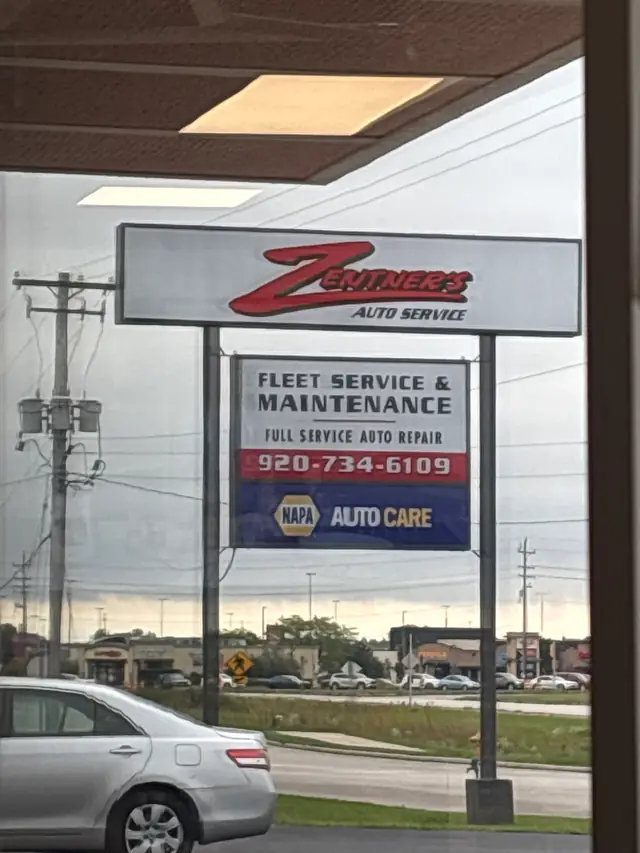
If you run a handful of vans, pickups or box trucks, you already know the math. When one is down, a job gets pushed, a customer waits, and somebody ends up driving their personal car to a site. Fleet maintenance isn't about making vehicles perfect. It's about making breakdowns rare, predictable and short, so the work keeps moving.
Downtime is the cost that matters
Repair bills are visible. Downtime is quieter, and for a service business it often costs more. A truck stuck waiting on a part, a van off the road during your busiest week, a driver sitting idle: none of that shows up on an invoice. The best fleet shops understand that fast turnaround and honest diagnosis matter as much as the repair itself.
That's why planning beats reacting. A truck that comes in on a Tuesday for a scheduled service costs you a few hours you chose. The same truck breaking down on a Thursday afternoon costs you hours you didn't. The goal is to move more of your shop time from the second kind into the first.
Build a rotation, not a rush
Staggering is the simplest habit that pays off. If all your vehicles come due the same week, you lose all your vehicles the same week. Spread them out so one or two are in service at a time and the rest keep working. Track each vehicle by mileage or hours, write down the next service target, and keep that list where the person scheduling the work can see it.
Zentner's offers pickup and vehicle rotation for fleets, which is a big help here. Instead of a driver losing half a day waiting, the shop can collect a vehicle and swap it back, so your people stay on the job. It's the sort of detail that matters more the more trucks you run, so ask about it when you set up an account.
The core service list
- Oil changes on a mileage schedule that matches how each vehicle works. Idle time and heavy loads count, even if the odometer doesn't show it.
- Tire rotations to keep wear even across the set and extend the life of each tire.
- Brake inspections at regular intervals, since fleet vehicles stop often and carry weight.
- Exhaust repairs, because a rattling or leaking exhaust is easy to ignore until it fails an inspection or makes the cab unpleasant.
- Fluid checks and belts and hoses, which are cheap to look at and expensive to ignore.
- Steering and suspension checks, especially on trucks that haul tools or product and take a beating from rough lots.
Notice that most of this is inspection work, not repair. You're paying for eyes on the vehicle before something fails. A brake inspection that finds pads getting thin gives you a week to schedule the fix. A brake failure gives you a tow.
Brakes and tires earn special attention
Fleet vehicles do a lot of stop-and-go driving, carry heavy loads and run a full day, which makes brakes and tires the two places where wear adds up fastest. Both are also safety items, and both are where a driver's report matters. Ask your drivers to mention a soft pedal, a pull, a new noise or a tire that looks low. They know the truck better than anyone.
A short walk-around before the day starts catches plenty. Tire pressure, visible damage, fluid under the truck, lights that work. It takes a couple of minutes and it makes the shop visit more useful, because the mechanic gets a specific complaint instead of a general feeling that something's off.
Fleet pricing and keeping records
Zentner's offers fleet discounts on all fleet vehicles in northeast Wisconsin. Ask what qualifies when you set up your account, and ask how the shop wants to handle billing for several vehicles. The shop will also match any written price, so a quote from somewhere else is worth bringing in.
Keep a simple record for each vehicle: the date, the mileage, what was done and what was recommended but deferred. A shared spreadsheet is fine. Over a few months it shows which trucks cost the most to keep running, and that's the information you need when you're deciding whether to repair or replace.
When one goes down anyway
Even a well-run fleet has a bad day. Zentner's advertises 24/7 emergency service, which helps when a truck quits at an awkward hour. It's also worth knowing the shop works on any make or model, so a mixed fleet of different brands doesn't mean juggling different garages.
To set up fleet service, call Zentner's Auto Service at (920) 734-6109 or stop by 4510 W Greenville Dr in Appleton, Monday through Friday, 7:30 AM to 4:30 PM. Bring a list of your vehicles and the shop will give you a same-day estimate and talk through a rotation that fits your schedule.
Zentner's Auto Service, (920) 734-6109
Call (920) 734-6109More articles
A Maintenance Rhythm That Fits Wisconsin Driving
Cold starts, short trips and road salt wear a car differently here, so your service schedule should account for all three.
Brake Warning Signs and What They Usually Mean
Your brakes almost always tell you something is wrong before they fail, if you know what you're hearing and feeling.