A Maintenance Rhythm That Fits Wisconsin Driving
Cold starts, short trips and road salt wear a car differently here, so your service schedule should account for all three.
October 14, 2026 · 4 min read
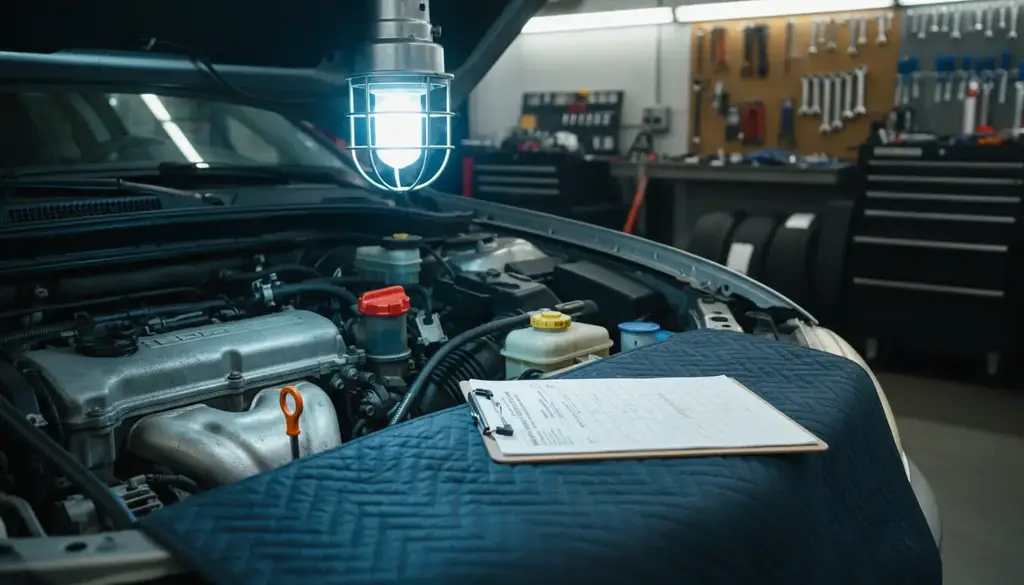
Ask ten Fox Valley drivers when they last had their car serviced and most will start with, I think it was before the summer. Cars here live a hard life. Cold starts, short winter trips, salt on every road from December on, and frost heaves that rattle everything loose. A steady maintenance rhythm is the simplest way to stay ahead of all of it, and it doesn't take much once you pick a pattern and stick with it.
Start with the miles, then add the weather
At Zentner's Auto Service, the guidance for routine maintenance is every 5,000 to 7,500 miles. That's a window, not a promise, and your owner's manual still has the last word for your particular engine and oil type. Where you land inside that window depends on how you drive. Steady highway miles are easier on an engine than a pile of five-minute trips to school and the grocery store, because a short trip never gets the oil hot enough to cook off moisture. If your driving looks like the second kind, lean toward the short end of the window.
A visit at that mileage isn't one single job. It usually pulls together an oil change, a look at the fluids, a tire rotation and a brake inspection, so the parts that wear quietly get checked before they get loud. The shop also does detailed diagnostics and tune-ups. If something feels off between visits, don't wait for the next sticker to come due. Call and describe what you're noticing.
What winter does to a car
Cold thickens oil, drains battery strength and stiffens rubber. A car that started fine in October may groan on the first subzero morning, and that's usually when a weak point shows itself. Short winter trips add to the problem. The engine never fully warms up, moisture builds in the oil and exhaust, and the battery gets asked to do a lot of starting without much time to recharge.
Road salt is the other half of the story. It rides on the underside of the car, collects around brake lines, suspension joints and exhaust parts, and keeps working long after the snow melts. That's why a look underneath in spring is worth the few minutes. Surface rust on a bolt isn't a crisis. A brake line that's flaking, or a joint boot that's torn and packed with grit, is something you want to find in April, not on the highway in July.
What to check before the first freeze
Late October or early November is a good time for a pre-winter check, ideally before the first hard freeze. Here's what's worth a look:
- Battery and charging system. Cold exposes a tired battery fast, and a quick test tells you whether it has another winter in it.
- Tires. Tread depth, even wear and air pressure. Pressure drops along with the temperature, so recheck it after the first cold snap.
- Wipers and washer fluid. Streaky blades and a reservoir full of summer fluid make a bad pair behind a salt truck.
- Coolant. The level and the condition of the antifreeze protecting the engine through a Wisconsin January.
- Brakes. Pads, rotors and fluid, because stopping on slick pavement leaves less margin for worn parts.
- Belts and hoses. Rubber that's cracked or glazed tends to quit when it's coldest.
- Lights. A burned-out bulb is easy to miss when the sun sets before you leave work.
None of this takes a day, and it fits right alongside a regular maintenance visit. The shop gives same-day estimates, so you can find out what you're looking at before you decide anything.
Oil is the job that matters most in the cold
Oil does a lot of the work of keeping an engine healthy in January. The shop handles synthetic, Dexos and other oil types, along with oil care for higher-mileage engines and additives meant to reduce wear. Which one fits depends on the engine and what the manufacturer calls for, and the service writer can walk you through it if you're not sure what your car needs.
Don't stretch an oil change because the car seems fine. Oil doesn't announce that it's worn out. By the time you hear or feel a problem, it has usually done some harm already. If you pull a trailer, idle a lot, or make mostly short trips, tell the shop, because those habits change what a sensible interval looks like.
A routine you'll actually keep
A simple routine beats a perfect plan you never follow. Pick a mileage window, jot the next target on a note in the glove box or on your phone, and add a pre-winter visit every fall. When you come in, tell the service writer about anything that's changed: a new vibration, a smell, a light that came on and went off. Small details save diagnosis time, and they often point straight at the cause.
Zentner's Auto Service is at 4510 W Greenville Dr in Appleton, open Monday through Friday, 7:30 AM to 4:30 PM. Call (920) 734-6109 for a same-day estimate, and the shop will take a look at what your car needs before the snow flies.
Zentner's Auto Service, (920) 734-6109
Call (920) 734-6109More articles
Brake Warning Signs and What They Usually Mean
Your brakes almost always tell you something is wrong before they fail, if you know what you're hearing and feeling.
Potholes, Pull and Uneven Tread: When to Get an Alignment
Camber, caster and toe sound technical, but each one explains something you can feel from the driver's seat.